


- Contact:Bill Jiang
- Cel:0086-13791846963
- Wechat & Whatsapp:+8618553208979
- Mail:info@qdrunjuxiang.com
- Add:Chengma Road, Qijialing Village, Tongji New District, Jimo City, Qingdao
Brief Overview of the Industry-Specific Textile Industry's Operation from January to May 2026
The operation of the industrial textiles industry in our country has been generally stable, and the industrial added value has maintained a medium-speed growth.
1. In terms of production and efficiency, the output growth rate of the main products in this industry has accelerated.
From January to May, the output of non-woven fabrics and corduroy fabrics by large-scale enterprises increased by 9.5% and 3.8% respectively year-on-year. The growth rates were 5.6 percentage points and 3.4 percentage points higher than those in the same period of 2025.
In terms of economic benefits, some economic indicators of the industry have improved and shown strong resilience. From January to May, the operating income of large-scale enterprises in the industrial textiles industry turned from a decrease to an increase, growing by 1.7% year-on-year. The total profit decreased by 3% year-on-year, while the operating profit margin was 3.6%, down by 0.2 percentage points year-on-year.
From January to May in 2026, the United States, Vietnam and Japan were the top three export destinations for China's industrial textiles. The export amounts were 2.21 billion US dollars, 1.48 billion US dollars and 940 million US dollars respectively, increasing by 3.5%, 8.3% and 0.9% year-on-year. During the same period, China exported 11.34 billion US dollars of industrial textiles to the countries participating in the "Belt and Road Initiative", growing by 5.5% year-on-year and accounting for approximately 60% of the industry's total exports.
II. Trends of Raw Material Prices
In June 2026, international oil prices dropped significantly, the situation between the United States and Iran eased markedly, the navigation of the Strait of Hormuz continued to improve, and oil-producing countries such as Iraq planned to accelerate production increases. During this month, the prices of polyester and polyamide fibers weakened and fell, polyamide filament operated in a weak manner, polypropylene fiber entered a downward trend, and viscose staple fiber faced both cost support and pressure, with prices experiencing a volatile upward movement. The geopolitical premium in the market gradually receded, and the trading logic of the chemical fiber industry slowly shifted to the fundamentals of supply and demand.
Declaration: The content of this article is compiled from the internet and is copyrighted by the original author; if any infringement is found, please notify us immediately and we will delete it.
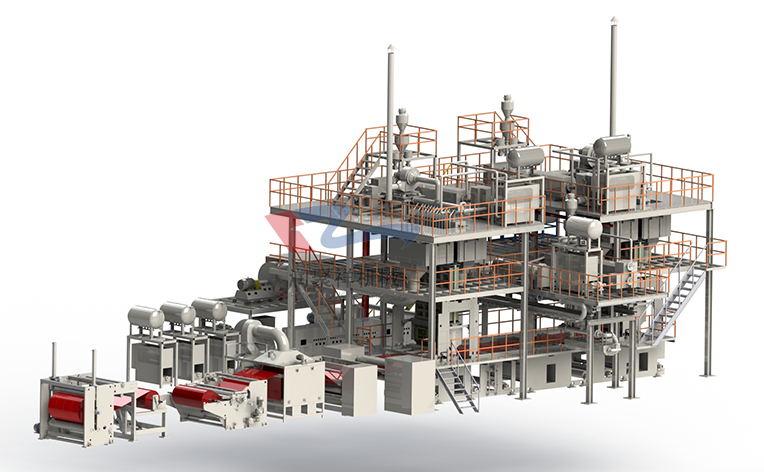
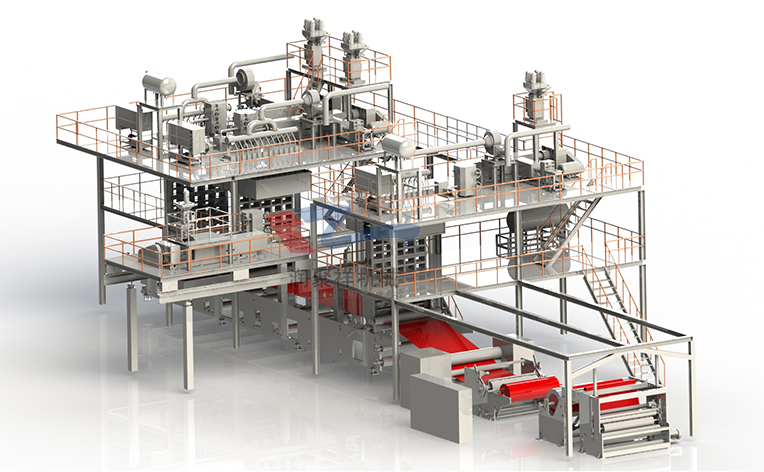
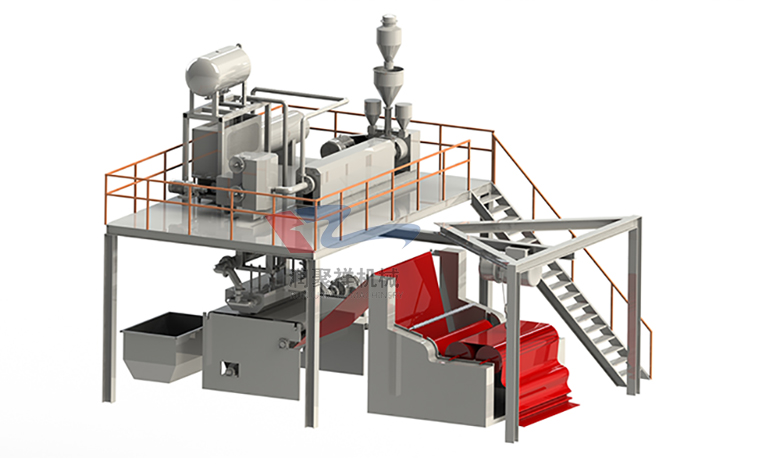
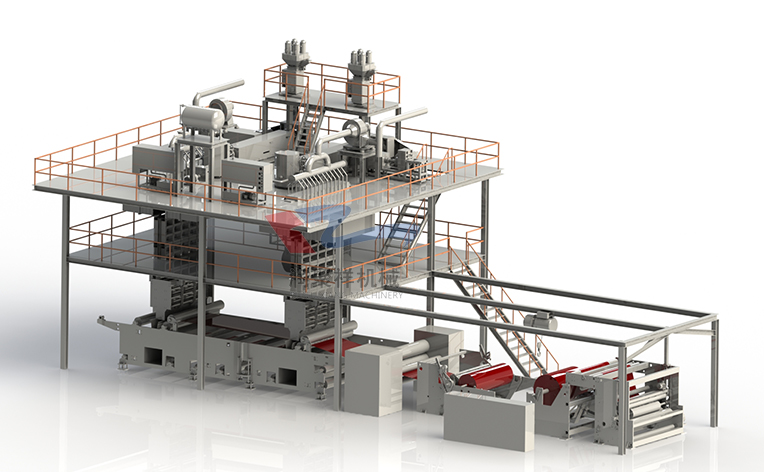
- How to Choose Nonwoven Fabric Machinery? Runyu Xiang teaches you to distinguish the true quality of the equipment
- September Equipment Purchase Peak Season: Practical Guide for Selecting Nonwoven Fabric Machinery Quality
- The non-woven fabric machinery of Qingdao Runjuxiang has been providing a new production rhythm for the autumn season!
- Qingdao Runjuxiang: As summer fades and autumn approaches, non-woven fabric machinery helps the industry smoothly shift gears.
- During the Autumnal Equinox, Qingdao Runjuxiang Nonwoven Fabric Machinery provides support for the new rhythm of autumn production!
- About RunJuXiang
- Company Profile
- Company Culture
- Non-woven production line
- Spunbond nonwoven production line
- Two-component Bi-Co
- Spun melted nonwoven production line
- Equipment Accessories
- Meltblown nonwoven production line
- Non-woven products
- News Center
- Company News
- Show Information
- Contact Us
- Contact RunJuXiang
- Online Message
